culture
Leeds Museums and Galleries: Victorian Heritage Meets Contemporary Art
From Victorian-era industrial legacies to contemporary masterpieces, here is how to navigate the city's premier galleries and museums.
How we reported this
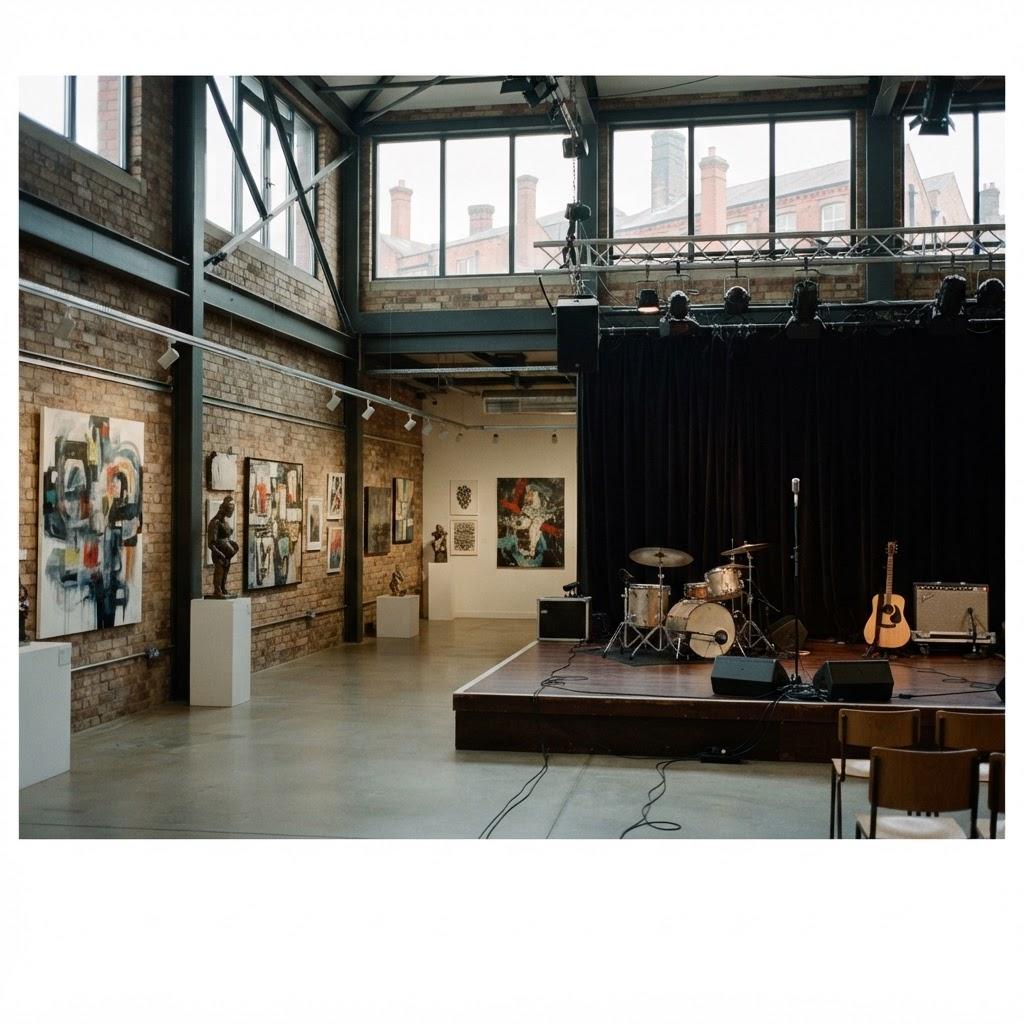
Leeds has solidified its position as a cultural anchor in the North, with a collection of institutions that draw thousands of visitors to the city centre annually. Whether you are exploring the ornate Victorian architecture of the Civic Quarter or venturing into the repurposed industrial spaces of the south, the city offers a diverse range of artistic and historical narratives.
The intersection of history and art
The Leeds Art Gallery, located on The Headrow, remains the standard-bearer for the city’s visual arts output. Known for housing one of the most significant collections of 20th-century British art outside of London, the gallery serves as a quiet sanctuary amid the bustle of the city. Visitors should make a point to view the Tiled Hall, which connects the gallery to the Central Library, showcasing intricate ceramic work that reflects the city’s high-Victorian aesthetic. Just a short walk away, the Leeds City Museum on Millennium Square provides a different experience, focusing on natural history and the social development of the region, including the well-preserved remains of the Leeds Tiger.
For those seeking a deeper look into the region’s industrial identity, the Leeds Industrial Museum at Armley Mills offers a different scale of engagement. Housed in what was once the world’s largest woollen mill, the site provides a functional look at the machinery that powered the city during the nineteenth century. The transformation of these spaces from sites of production to venues for public education illustrates the city's broader economic shift over the last century.
Practical advice for your visit
Planning your itinerary requires an understanding of local accessibility. The Leeds Art Gallery and the City Museum currently provide general admission without an entry fee, though special exhibitions hosted throughout the year may require pre-booked tickets. As of July 2026, the city’s cultural sector continues to emphasize sustainable tourism, with most major sites situated within easy walking distance of the Leeds City Railway Station. If you are visiting on a weekend, expect higher foot traffic around the Victoria Quarter, which often serves as a secondary corridor for those moving between the major gallery spaces.
Visitors are encouraged to check the official Leeds Museums and Galleries website for updated opening hours before departing, as some historic sites operate on seasonal schedules. By focusing your trip around these primary hubs, you gain access to the foundational elements of Yorkshire's heritage while remaining in the heart of the modern city's social activity.