Why Leeds remains a global outlier in a summer of international instability
While international headlines focus on geopolitical shifts and climate-driven cancellations, Leeds is betting on its unique blend of industrial grit and independent commerce to define the 2026 summer season.
This article was generated by AI from the linked public sources. The Daily Leeds is independently owned and covers Leeds news free from advertiser or sponsor influence. Read our editorial standards →
The mercury in Leeds hit 26°C by midday this Friday, a marked contrast to the dangerous, event-canceling heatwaves currently forcing mass shutdowns across the United States. While Washington D.C. and Philadelphia have stripped their calendars of public gatherings, the stalls at Leeds Kirkgate Market are buzzing with their usual July foot traffic. It is a quiet stability that defines the city’s current posture, grounded in a local economy that prioritizes independent retail over the volatility affecting more globally exposed hubs.
The Independence Advantage
Leeds continues to diverge from the high-street decline seen in other major European capitals, largely due to the density of independent businesses clustered around the Victoria Quarter and the newly revitalized developments at SOYO. Where Paris and Milan are currently grappling with the fallout of shifting luxury travel patterns, Leeds’ strategy—spearheaded by the Leeds Business Improvement District (LeedsBID)—has been to double down on hyper-local experiences. A stroll through the Corn Exchange today confirms this; the venue is currently home to 30 local traders, ranging from artisanal stationery shops to sustainable garment repair services, shielding the city center from the vacillating trends of international luxury retail.
Data released by the West Yorkshire Combined Authority this week suggests that local footfall in Leeds city center has remained remarkably resilient, holding steady at 94% of pre-pandemic averages. This consistency stands in stark contrast to the sector-wide contraction seen in London’s West End, where recent policy shifts have curtailed international student migration and overseas investment. For a pint of local ale at the Midnight Bell in Holbeck, the price remains firmly anchored at £5.80, a modest increase compared to the double-digit price hikes reported in hubs like Dubai or Singapore.
A City Built for Resilience
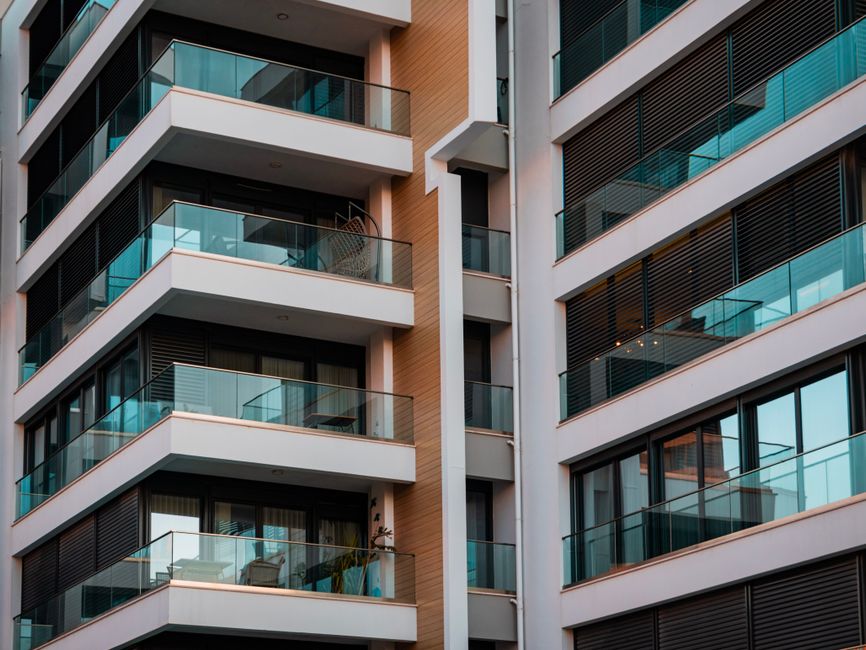
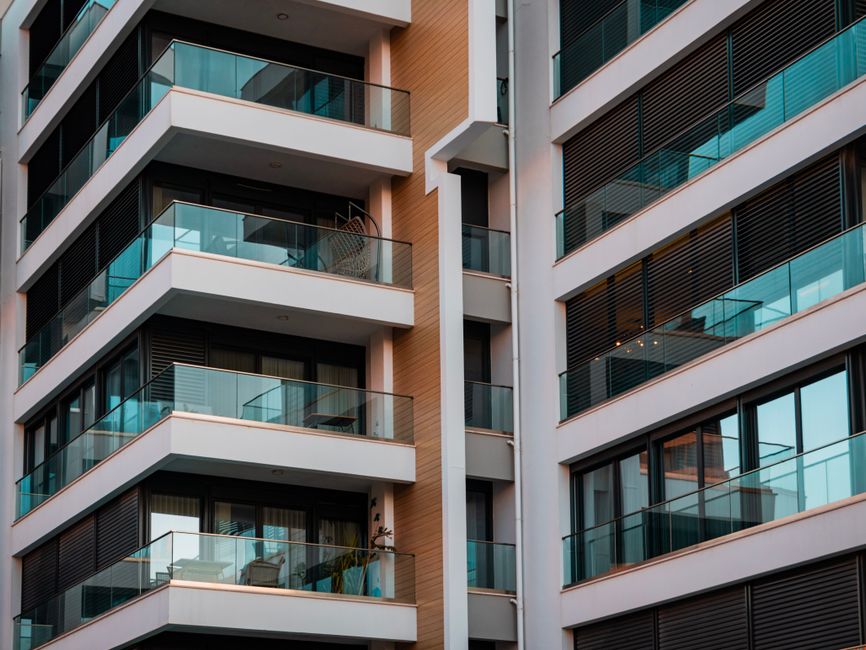
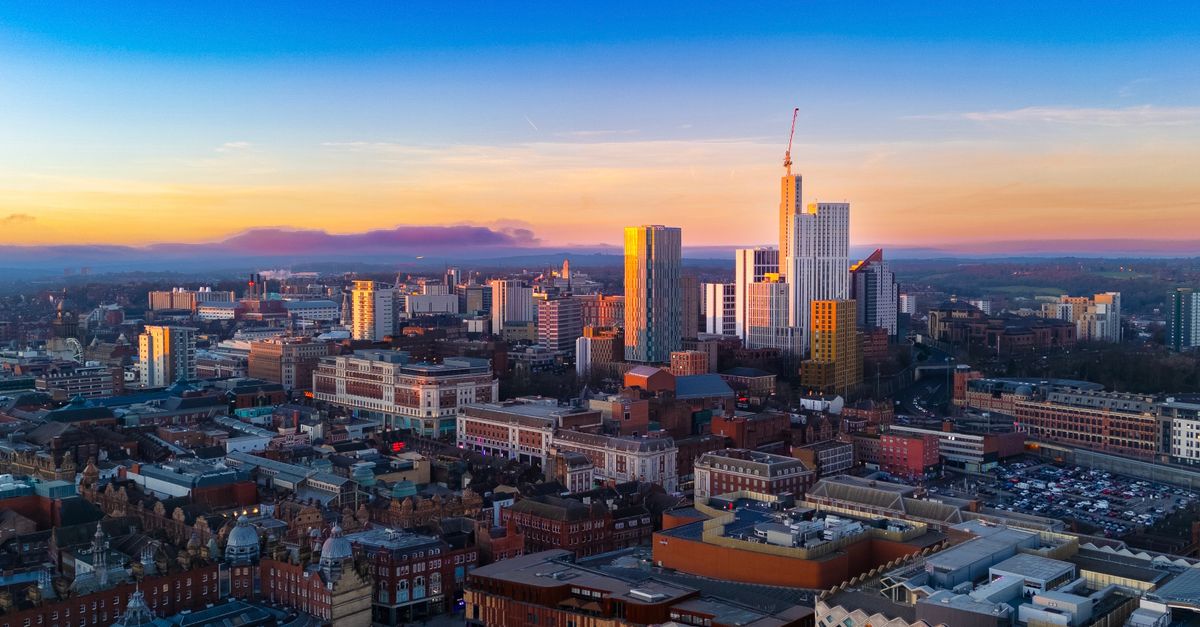
The city's unique architectural landscape, characterized by the grit of the red-brick mills of the South Bank and the Victorian elegance of the Grand Arcade, provides a natural cooling infrastructure that glass-fronted modern skyscrapers elsewhere lack. Following the closure of several national overseas education programs this week, local advocacy groups such as Leeds Sanctuary are pivoting to fill the gap, offering direct support to refugees and migrants arriving in the city. This localized approach to humanitarian engagement serves as a functional model for social stability, bypassing the bureaucratic stagnation currently gripping international organizations.
As we head into the weekend, the advice for residents is simple: ignore the headlines describing a global cooling of public life. The Canal Gardens in Roundhay Park will host its scheduled summer programming regardless of the international political climate. Visitors seeking a reflection of the city’s specific character should head to the independent cafes along Call Lane by Saturday morning. Order a flat white at Laynes Espresso, then walk the five minutes to the Leeds City Museum. It is a low-key, predictable, and resilient itinerary—a rare commodity in July 2026.
Covering lifestyle in Leeds. This article was generated by AI from the linked sources and was not reviewed by a human editor before publishing. See our editorial standards.