lifestyle
Leeds Parks Pioneer Global Model for Urban Ecological Resilience
From the sprawling acres of Roundhay Park to the historic corridors of Kirkstall Abbey, Leeds is defining a global model for balancing industrial heritage with ecological connectivity.
How we reported this
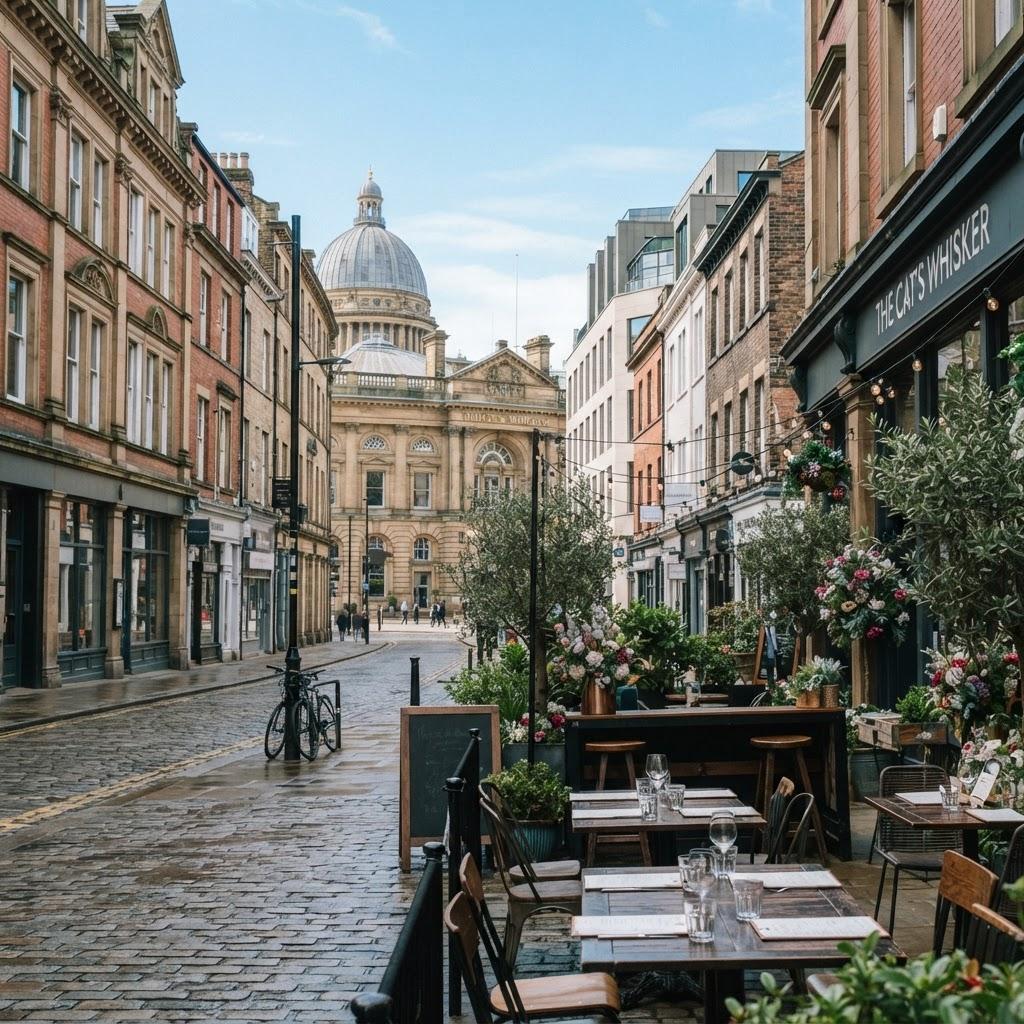
Leeds has solidified its reputation as a northern powerhouse that refuses to sacrifice its greenery for urban density. As cities worldwide grapple with the dual pressures of climate change and rapid development, the strategic preservation of public parks across this West Yorkshire hub serves as a distinct point of pride. While other global urban centres report a dwindling ratio of public land to concrete, the integration of protected parkland throughout the city’s footprint offers a unique template for modern living.
Preserving a Green Legacy
The city’s approach to land management prioritises historic continuity alongside environmental utility. Roundhay Park remains one of the largest municipal parks in Europe, spanning hundreds of acres and acting as the literal lungs of the city. Beyond its size, the park functions as a critical piece of infrastructure, mitigating flood risks and providing habitat corridors that extend deep into the inner city. Similarly, the grounds surrounding the 12th-century ruins of Kirkstall Abbey show how Leeds prioritises the marriage of archaeological heritage with open-access recreation. Unlike many European capitals where such spaces are often heavily restricted or commercialised, these Leeds sites remain deeply accessible.
This commitment to public utility is evident in the ongoing maintenance of the Meanwood Valley Trail. This path serves as a vital artery for cyclists and walkers, bridging the gap between urban density and rural respite. Organizations like the Leeds Parks and Green Spaces Forum continue to advocate for the biodiversity of these pockets, ensuring that development in areas like Chapel Allerton or the city centre does not come at the cost of the canopy cover that defines the local aesthetic.
Data and Future Stewardship
Data from the Leeds City Council’s recent urban planning audits confirms that the city manages over 60 significant public parks and thousands of hectares of green space. This represents an investment in public health that is increasingly rare in the context of international metropolitan growth. With millions of visitors passing through these sites annually, the economic impact is clear: the maintenance of these areas is no longer just a civic duty, but a core component of the city’s economic strategy to attract residents and retain talent.
For those looking to engage with the city’s landscape, the current season offers an ideal window to explore these networks. The Leeds City Council maintains an updated interactive map of these trails, which serves as the most reliable resource for planning excursions. As the municipal agenda shifts toward further reducing urban heat islands, residents should monitor upcoming local planning committee meetings, where further initiatives to expand the tree canopy are scheduled for public discussion later this year.