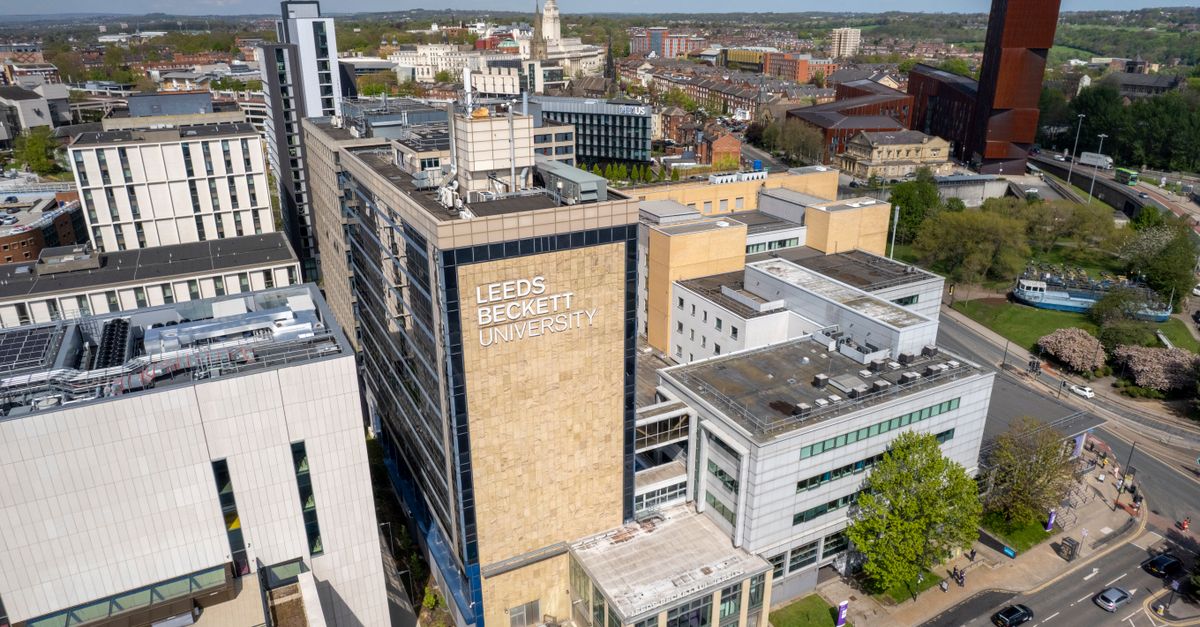
Average monthly rents in Leeds reached £1,174 in June 2026—just £386 lower than the average London rent—according to newly released figures from HomeLet. The city’s rental market has tightened sharply, marking a 14% increase year-on-year and sparking new hurdles for those weighing up whether to rent or buy, even outside the capital’s red-hot market.
Why the Regional Rental Squeeze Matters
For years, the gap between renting in Yorkshire and paying sky-high rents in London gave Leeds a strong edge for affordability. That buffer is eroding fast. Nationally, property website Zoopla reports average rents across the UK have risen 11% over the past twelve months, but Leeds now outpaces Manchester, Birmingham, and even some London commuter towns. That’s bad news for teachers and NHS staff, many of whom were lured north by more palatable living costs—and it’s a growing puzzle for city planners already grappling with a new phase of housing pressure.
Granary Wharf, the glossy waterfront development behind Leeds Station, headlines the city’s boom: two-bedroom apartments here regularly go for £1,500 a month, putting central London’s outer boroughs within touching distance. In Headingley, still a student magnet but increasingly professional, agents at Northwood on Otley Road list terraced homes at above £1,300 per month, a figure almost unimaginable five years ago. The Leeds City Council’s Housing Options team has reported an uptick in requests for advice from renters as more residents fall short of new affordability checks.
Data Shows City Edging Towards Capital City Costs
This isn’t just a feeling: data from the Office for National Statistics confirms local take-home pay hasn’t matched the rental spike. Median gross weekly earnings for full-time workers in Leeds stood at £612 in April 2026—up just 3% in a year. That means a typical renter faces paying nearly 46% of their gross income on rent, surpassing the widely accepted 35% affordability limit. For buyers, Rightmove lists the average price for a Leeds flat at £208,000, meaning a standard mortgage would still run over £1,000 a month even with a 10% deposit and a 5.2% mortgage rate. Analysts at Savills highlight that while the capital’s rental yields remain highest, Leeds is now second only to Edinburgh among UK regional cities.
Leeds Building Society has responded by launching a new five-year fixed mortgage at 4.89%, targeting first-time buyers, but financial advisors in the city centre warn that’s cold comfort for those finding it impossible to scrape together the £20,000-plus deposit now required for an average flat purchase in the city core.
What Renters and Buyers Can Do Now
For those house-hunting today, experts suggest looking to neighbourhoods such as Hunslet and Bramley, where rents and house prices remain closer to Yorkshire’s historic averages. Local council leader James Lewis has pressed for increased investment in affordable housing, with 500 new rental units due in Armley by spring 2027—though that won’t bring immediate relief.
In the short term, young professionals and families alike are hustling for shared Lets, and local letting agencies recommend lining up references, deposit funds, and viewing appointments as early as possible to avoid missing out. The rise of rent bidding—especially in city centre postcodes including the now-iconic Victoria Quarter—shows just how steep competition has become.
While Leeds once held the reputation as a haven for renters and first-time buyers priced out of the capital, the city’s rapid growth and undersupply of central homes mean that gap is narrowing fast. For now, a scattergun approach—widening the search to peripheral areas, and considering co-living or shared tenancies—offers at least a fighting chance for those determined to stay. But without a rapid boost in construction or a cooling of demand, Leeds renters will find London’s trademark unaffordability closer than ever.