Property
How Much Rent Is Too Much? The 30% Rule in Practice for Leeds Tenants
Rising rents in Leeds are pushing tenants to the brink—here’s what the numbers reveal about affordability and the famous ‘30% rule’.
3 min read
Property
Rising rents in Leeds are pushing tenants to the brink—here’s what the numbers reveal about affordability and the famous ‘30% rule’.
3 min read
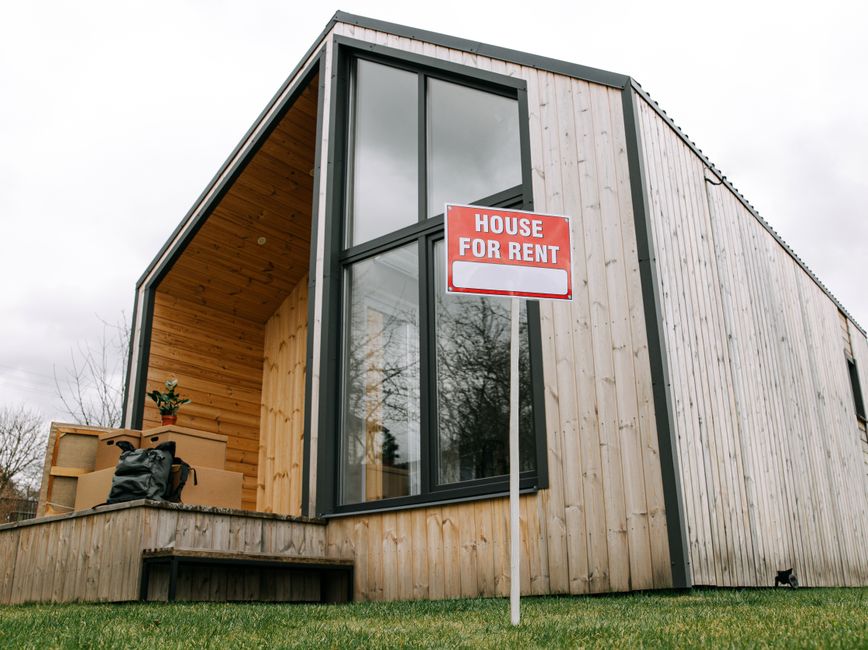
A surge in city centre rents has left many Leeds tenants spending more than a third of their pay on housing, fresh data shows—far above the threshold long suggested as ‘safe’ by housing experts.
This debate around affordability has reached a new intensity this summer, as inflation and last year’s mortgage rate hikes continue to ripple through the rental market. With many homes across Headingley and the South Bank now letting at record prices, renters are increasingly asking: just how much is too much?
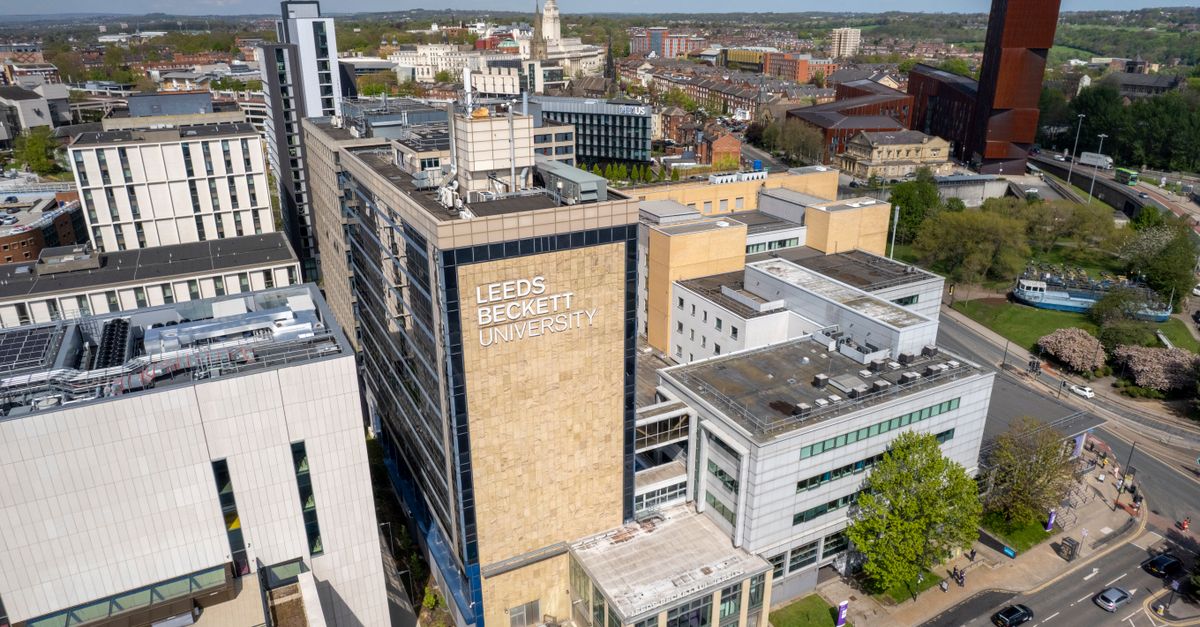
Take the Merrion Street corridor around Leeds Arena—a two-bedroom flat in a modern block is now advertised at £1,350 per month, according to July listings from Linley & Simpson. That’s up nearly £200 a month compared to summer 2024. Meanwhile, in Burley and Hyde Park—areas long favoured by university staff and graduates—a typical one-bed now sits at £950-£1,050 according to Rightmove. Those working at University of Leeds or Leeds Beckett University often face a stark tradeoff: pay higher rents for proximity, or attempt long commutes from further afield.
"We’re seeing renters stretch well past the old 30% guidance," said a manager at a major Leeds letting agency, who described young professionals routinely applying for flats where the rent absorbs closer to 40% of monthly take-home pay. Corporate lets—once rare outside of the Legal Quarter—now comprise over 20% of the premium apartment market, particularly in spots like Wellington Place and the Calls, driving up prices for everyone else.
The 30% rule—that rent should not exceed 30% of gross monthly income—dates back to 1980s lending policy but is now widely used as a rough affordability test. According to Office for National Statistics figures released in June 2026, the median gross monthly earnings in Leeds have risen slightly to £2,750. Yet with Rightmove reporting an average asking rent of £1,075 for a two-bedroom flat in LS1, that leaves tenants at 39% of their pre-tax pay spent on rent—well above the recommended limit. Even in less central areas, such as Bramley or Beeston, where some two-beds list at £850, that’s still 31% of income.
Household budgets are straining. Leeds Building Society has confirmed a 19% rise in applications for their First Homes shared equity scheme since January, as would-be buyers struggle to clear high rental costs and save for a deposit. Local charity Turning Lives Around, based on Dewsbury Road, said demand for debt and rent arrears advice rose 28% in the past year, with "affordability panic" now the top reason for new referrals.
If your rent is edging perilously close to—or over—the 30% line, experts suggest acting early. Jamie Howard, who manages properties in Roundhay, says budgeting is crucial: "List every outlay before you sign—council tax, travel, even subscriptions—so you’re not caught short." Many local banks, including Leeds Credit Union on St Anne’s Road, offer drop-in budgeting clinics. For tenants whose rent has risen sharply, Leeds City Council’s renters' advocacy team can mediate with landlords, and StepChange (0113 242 8756) runs free debt advice clinics at the Kirkgate Market Community Space.
With no sign of rents flattening soon in postcodes like LS2 and LS3, most experts say the 30% rule is now more a warning than a workable rule for many in Leeds. But it remains a critical red line—one that more tenants are struggling to stay on the right side of as the city’s housing crunch intensifies.
Property

Property
Property
Property
About this article
Published by The Daily Leeds
Spread the word
Daily brief
Free, in your inbox before 7am. Weekdays.
The Daily Network — local news across Australia