property
Leeds Renters Pay Half London's Price But Home Buying Stays Out of Reach
The rental gap widens while property ownership becomes increasingly difficult for average buyers in Yorkshire's largest city during 2026.
How we reported this
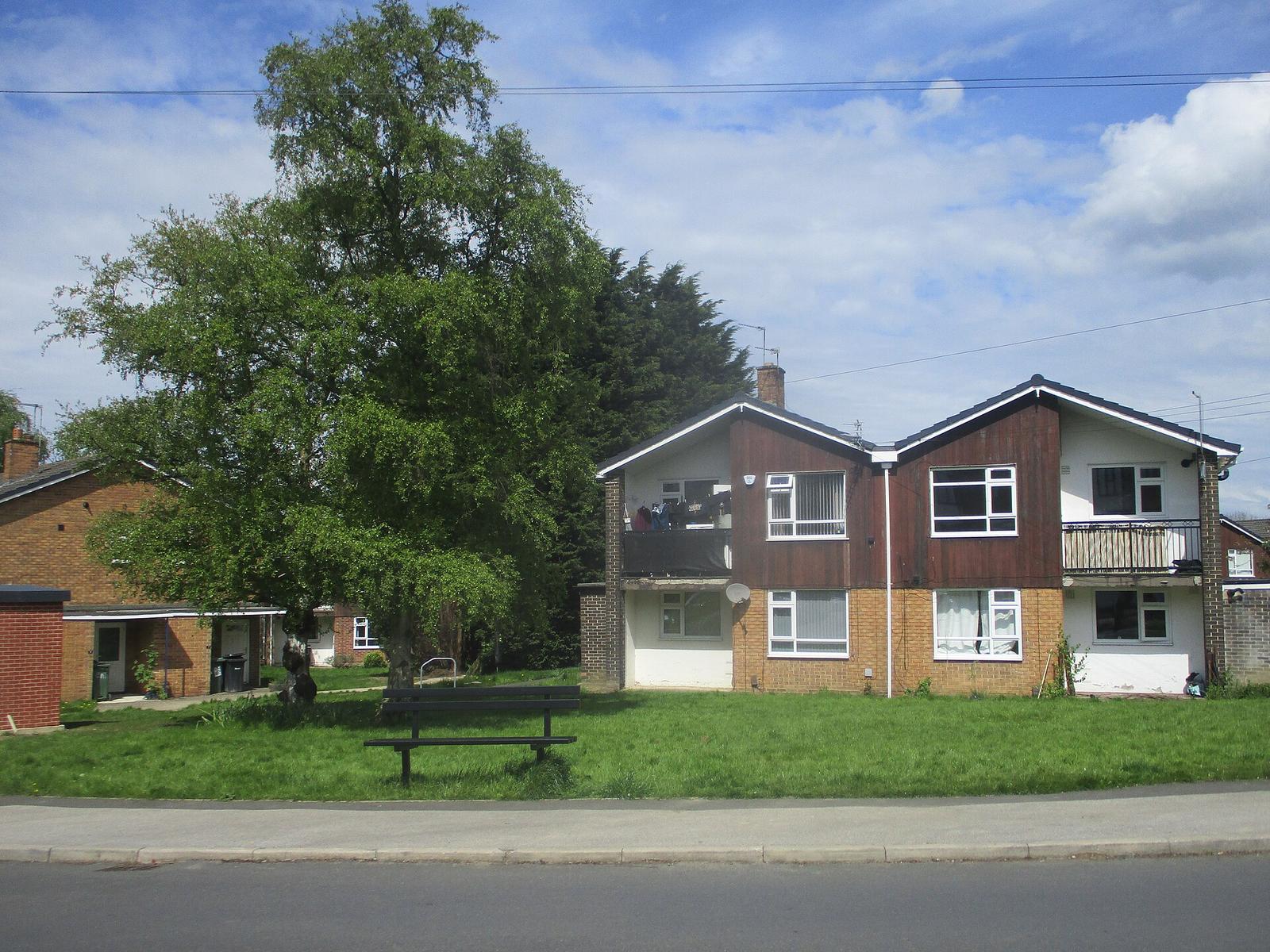
Renting a two-bedroom flat in Headingley costs roughly £1,050 a month. The same property in Hackney runs closer to £2,400. That gap, more than £16,000 a year, is why Leeds has quietly become one of the most-watched rental markets outside London, drawing younger households and remote workers who have spent the past three years doing the sums and moving north.
The comparison matters now because mortgage rates, still hovering above 4.5 percent for a standard two-year fix as of mid-2026, have compressed the affordability difference between renting and buying in ways that weren't true in 2019. In London, the rent-versus-buy calculation has effectively been made for most first-time buyers, ownership is out of reach without substantial family wealth. In Leeds, the same calculation is harder to call, and that ambiguity is driving real decisions about where people live and whether they ever buy at all.
What the Numbers Look Like on the Ground
Average asking rents across Leeds city centre and the inner suburbs, areas including Chapel Allerton, Meanwood and the LS6 postcode that covers Hyde Park and Headingley, have risen sharply since 2022. Zoopla's rental market reports have tracked Leeds among the fastest-growing regional rental markets in England, with annual rent increases running at double-digit percentages in some postcode areas during 2023 and 2024 before moderating into 2025. Even after that cooling, Leeds rents remain well above where they stood four years ago.
Against that backdrop, average house prices in Leeds sit around £230,000 to £250,000 for a semi-detached property, according to Land Registry data for the twelve months to early 2026, roughly a third of equivalent prices in zones two and three of London. A first-time buyer on a Leeds median salary of approximately £32,000 faces a borrowing multiple of around five times income to buy a modest terraced house in Burley or Armley. Stretching, but not impossible. In London, the same buyer on the same salary would need to borrow nine or ten times income to buy in comparable commuter-distance neighbourhoods.
The city's two biggest build-to-rent schemes, the Mustard Wharf development along the River Aire in Holbeck and the sizeable block at Whitehall Waterfront, illustrate the institutional confidence in Leeds as a rental destination. Both developments are fully occupied and have maintained waiting lists, suggesting demand from renters who are not simply waiting to buy but have actively chosen to rent long-term in a city they believe offers value that London no longer does.
Buying Still Makes Sense, For Some
The affordability equation tilts toward buying for households with combined incomes above £55,000 and a deposit saved over several years. For that group, monthly mortgage repayments on a £200,000 property with a £40,000 deposit can come in below £1,000 at current rates, cheaper than renting an equivalent home in the same street in Horsforth or Roundhay. That simple comparison is what keeps first-time buyer activity in Leeds higher than the national average, despite the rate environment.
Leeds City Council's own housing strategy, updated in 2024 under its Housing Growth Programme, identified affordability as the central challenge across all tenures. The council has partnered with Leeds-based housing associations including Stonewater and Accent Group on shared ownership schemes aimed specifically at buyers earning between £25,000 and £45,000, the band most exposed to the rent trap, where rental costs consume too large a proportion of income to accumulate a deposit within a reasonable timeframe.
For renters currently sitting in that band, the practical calculation in July 2026 is this: if your rent in LS2 or LS7 is above £950 a month and rising, a shared ownership purchase on a property valued at £180,000 may already deliver a lower monthly outgoing. The barrier is the upfront cost, legal fees, survey, and the initial equity stake, typically £8,000 to £12,000 even on a shared ownership product. Those unable to clear that hurdle remain renters, likely for longer than they planned, in a city that remains far cheaper than London but is no longer as cheap as it was.
This article is general information only and is not personal financial or investment advice. Consider your own circumstances and seek licensed professional advice before making financial decisions.