The average Leeds resident now spends £47 a month on what the wellness industry broadly classifies as discretionary health spending — gym memberships, supplements, fitness classes, and premium food. That figure, drawn from a June 2026 Yorkshire Consumer Habits survey by financial wellbeing platform Nous, puts Leeds below London (£74) and Manchester (£61), but meaningfully above Hull (£31). In a city where rent on a two-bedroom flat in Chapel Allerton averages £1,150 a month, that gap matters.
The timing is pointed. Global wellness spending hit $6.3 trillion in 2025, according to the Global Wellness Institute, and the category is still growing. Hormone health, sleep optimisation, and preventive nutrition — all trending hard internationally right now — are filtering into Leeds consumer behaviour faster than local wage growth can comfortably absorb. The question for Headingley, Hyde Park, and Holbeck alike is whether the city's active wellness culture is genuinely accessible or increasingly stratified.
What Leeds actually costs to stay well
A monthly membership at The Edge, the University of Leeds's sports facility open to community members on Woodhouse Lane, runs £37.50 for adults — one of the better-value options in the city centre. By contrast, boutique reformer Pilates studios on Otley Road in Headingley charge between £22 and £28 per class, meaning a twice-weekly habit tips past £200 a month before you've bought a protein bar. PureGym's Leeds City Centre branch on Albion Street sits at £24.99 a month with no contract, making it the budget anchor most locals cite first.
Food is the sharper pressure point. The meal-prep trend — weekly batch cooking of high-protein, nutrient-dense food that dominates wellness content globally — is theoretically cheaper than eating out but depends on ingredient access. Kirkgate Market, the largest covered market in Europe, remains the most reliable source of affordable fresh produce in the city: a kilogram of chicken thighs runs around £3.80 from the butcher stalls, and seasonal vegetables rarely exceed £1 per portion. Compare that to the meal-kit delivery services marketed heavily on social media, which average £7.50 to £9 per person per meal, and the class dimensions of wellness eating become obvious.
Leeds City Council's Be Well service, launched in 2023 and still operating across community hubs including the Armley Helping Hands centre on Wesley Road, offers free health checks, stop-smoking support, and physical activity referrals for residents in priority wards. Uptake has risen 18 percent since January 2026, the council reported in May, which officials attributed partly to NHS GP appointment delays pushing people toward community alternatives.
Global trends, local reality
Internationally, the wellness industry is pushing hard into hormone health — testosterone clinics, HRT accessibility, melatonin optimisation — and sleep technology. In cities like Amsterdam and Copenhagen, municipal health programmes have begun subsidising some of these interventions for lower-income residents. Leeds has no equivalent scheme yet, though West Yorkshire Integrated Care Board included preventive hormone health in its 2026-29 strategy document published in March.
The mental wellness economy is expanding too. Yorkshire-based app Thrive Mental Wellbeing, used by several NHS trusts including Leeds Teaching Hospitals NHS Trust, reported a 34 percent increase in active users across the first quarter of 2026. Subscriptions through the NHS are free, but the premium self-pay tier costs £9.99 a month — a meaningful sum for someone already managing Kirkgate Market budgets.
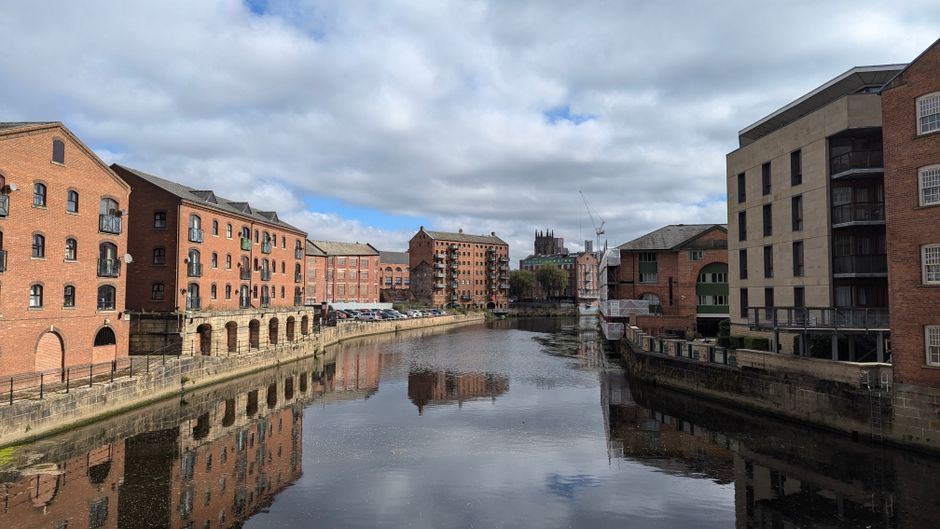
For Leeds residents trying to close the gap between aspiration and affordability, the practical options are clearer than they might seem. The Edge membership plus a weekly Kirkgate Market shop will cover the fundamentals for under £60 a month. The council's Be Well referral pathway — accessible through any Leeds GP or directly via the council website — provides structured support without cost. And the city's extensive canal and riverside running routes, from Granary Wharf along the Aire to Rodley, cost nothing at all. The global wellness industry sells complexity. Leeds, at its practical best, offers something simpler. Readers with specific health concerns should speak with their local GP or a registered healthcare professional before making significant changes to diet, exercise, or supplementation.
This article was compiled by AI and screened before publishing. See our editorial standards.