More Leeds residents are searching for ways to slow down than at any point in the past decade, according to data from the Mental Health Foundation, which found that 74 percent of UK adults felt so stressed in 2025 that they were overwhelmed or unable to cope. Mindfulness and meditation have moved from the fringes of wellness culture to GP waiting room leaflets — but for anyone who has never actually sat down and tried it, the gap between knowing it exists and knowing where to start remains wide.
The timing matters. July is traditionally when new routines either take hold or collapse. Long days and lighter evenings in Leeds create a genuine window — 20 minutes on a bench in Roundhay Park at 7am is a very different experience from trying the same thing in a grey January. Experts broadly agree that the northern summer is one of the more forgiving times to build a new habit.
What beginner meditators actually need to know
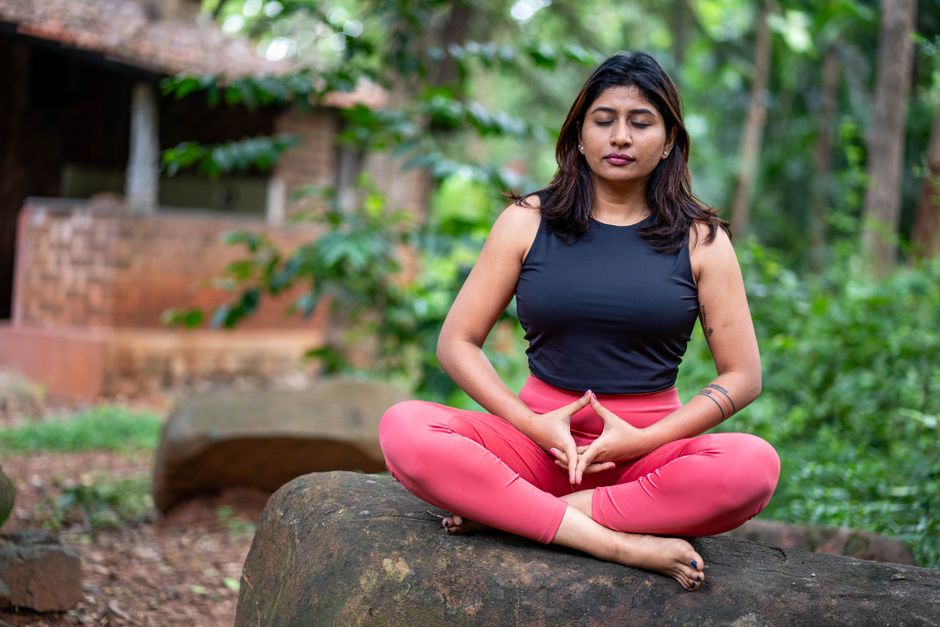
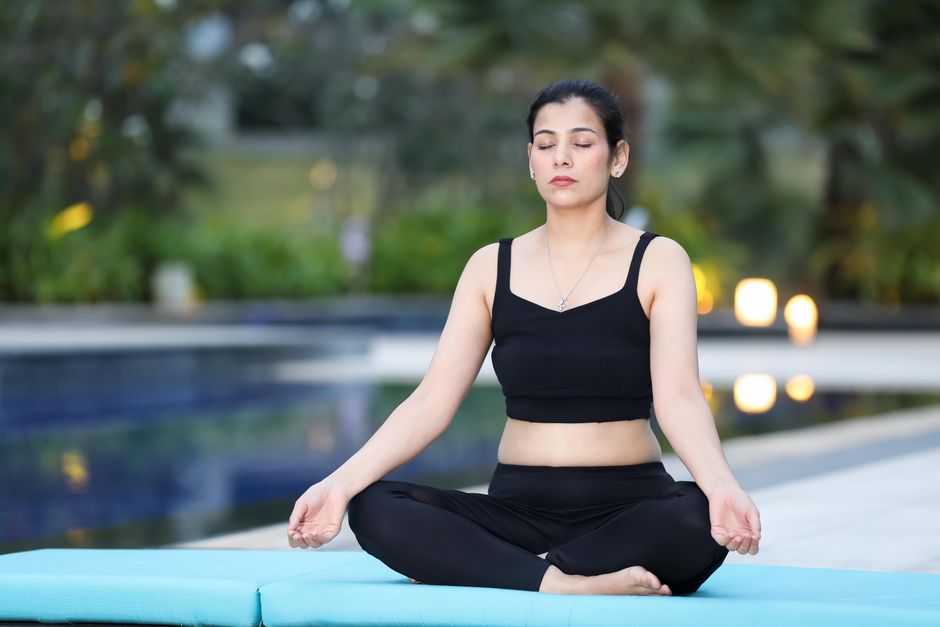
Strip away the mythology and meditation is simply the practice of directing your attention deliberately, usually to the breath, and noticing when the mind has wandered off. That's it. No particular posture is required. No equipment. A single daily session of as little as eight minutes, sustained over four weeks, has been shown in trials published by the journal Psychological Science in 2023 to produce measurable reductions in cortisol levels.
The most accessible entry point for most beginners is a guided app. Headspace and Calm both offer structured beginner courses — Headspace's Basics series runs across ten sessions of roughly ten minutes each — but neither is free beyond a trial period. A cheaper option is Insight Timer, which as of July 2026 carries more than 200,000 free guided sessions. Download it, search for 'beginner breath,' and you have everything you need for the first two weeks.
Leeds Central Library on Calverley Street runs a free Mindfulness Monday drop-in on the last Monday of each month, hosted in the ground floor meeting room. No booking is required and sessions last 45 minutes. It is a genuinely low-pressure environment: attendees sit in ordinary chairs around ordinary tables. The library's digital portal also links out to the NHS Every Mind Matters mindfulness audio exercises, which carry clinical endorsement and cost nothing.
Where to go in Leeds when you're ready to sit with other people
Solo practice is sustainable for some people and isolating for others. Leeds has a denser network of in-person options than most comparable UK cities its size. The Leeds Buddhist Centre on Pontefract Lane in East End Park offers a weekly drop-in meditation class every Tuesday evening at 7pm; the suggested donation is £7, though nobody is turned away for inability to pay. The centre has been running introductory programmes continuously since 1985.
In the city centre, Serenity Yoga & Wellbeing on Merrion Street runs a dedicated Mindfulness for Beginners six-week course, with the next cohort starting on 14 July 2026. The full course costs £72, which works out to £12 per session — broadly in line with a single yoga class at most city-centre studios. Spaces regularly fill by the second week of the month.
Kirkstall Abbey grounds, free and open year-round, remain one of the city's most useful but underused meditation spots. Thirty minutes there on a weekday morning before the tourist coaches arrive is as good as any studio environment for simple breath-focused practice.
The practical advice is almost offensively simple: pick one time, pick one place, start with five minutes. Research from University College London's behaviour change unit suggests that environmental cues — the same chair, the same corner — matter more than willpower in establishing a habit in the first 21 days. Miss a day and start again the next morning rather than the next Monday. The single most common reason beginners abandon meditation is the belief that a lapse has ruined the attempt entirely. It hasn't.
Anyone experiencing significant anxiety or depression should speak to their GP or call the Leeds Mental Wellbeing Service on 0113 843 4343 before relying on meditation as a primary support. For most people, though, the barrier is far lower than it appears. The main requirement is showing up — preferably somewhere quiet, and more than once.