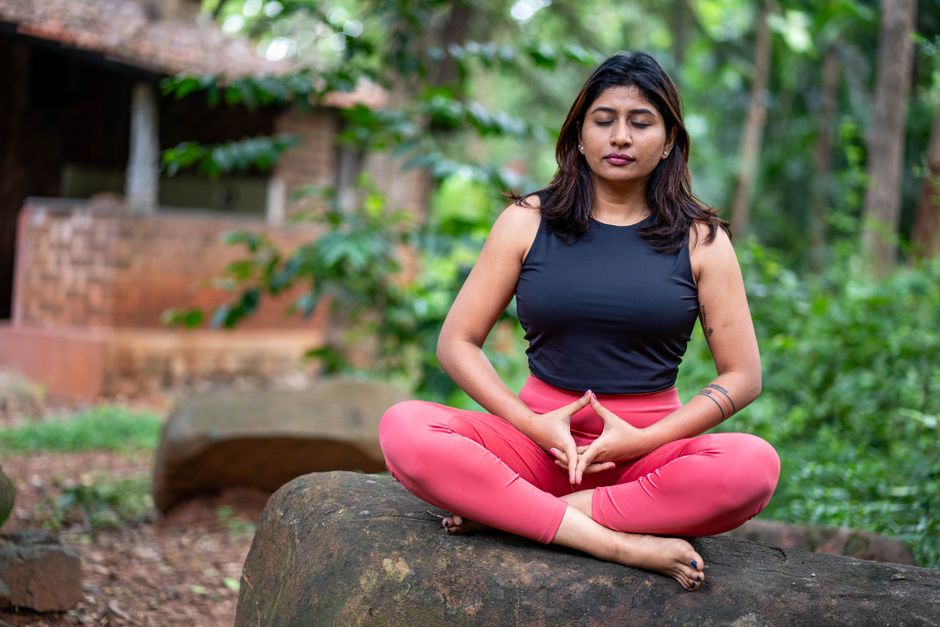
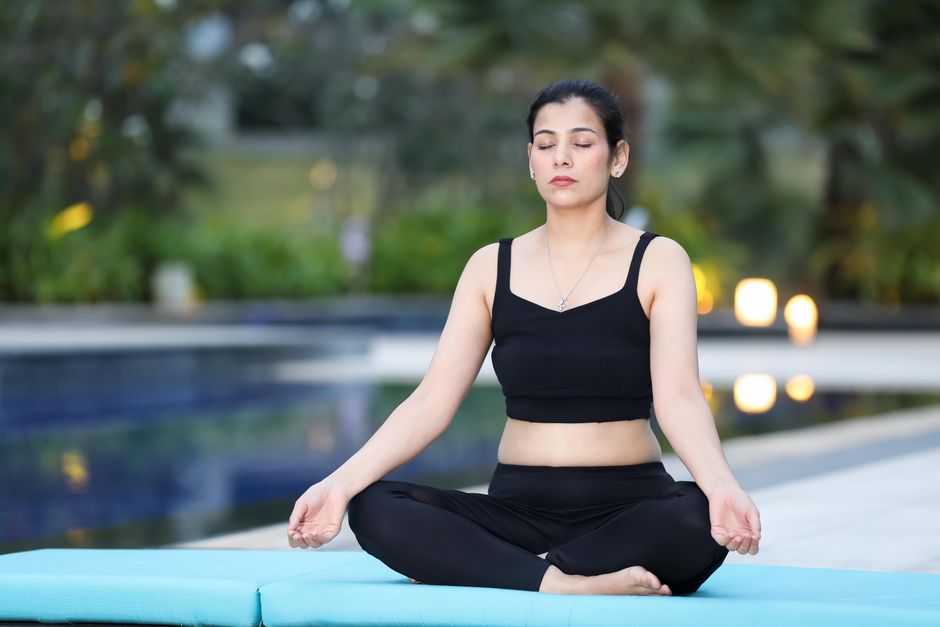
Eight weeks. That is how long it takes for a structured mindfulness programme to produce measurable changes in brain structure, according to a landmark 2011 study out of Massachusetts General Hospital. Researchers found that participants who completed an eight-week Mindfulness-Based Stress Reduction course showed increased grey matter density in the hippocampus — the region central to learning and memory — and a reduction in grey matter in the amygdala, the brain's threat-detection hub. The amygdala shrank. Anxiety, for many participants, shrank with it.
This matters right now because stress levels across working-age adults in West Yorkshire have continued to climb through 2025 and into this year, driven by housing costs, job insecurity and the residual psychological weight of years of economic turbulence. GPs at practices across Leeds are reporting that mental health concerns account for a growing share of appointments, and the NHS waiting list for talking therapies in the Leeds and York Partnership NHS Foundation Trust area currently stretches beyond twelve weeks for many patients. People are looking for something they can do in the meantime. Mindfulness, when it is properly understood rather than sold as a scented candle, offers a neurologically grounded answer.
The brain on a breath
The prefrontal cortex is where the science gets interesting. This is the region responsible for executive function — decision-making, emotional regulation, the capacity to pause before reacting. Chronic stress effectively suppresses it, while the amygdala runs hot. Regular meditation practice, studies published in journals including NeuroImage and Frontiers in Human Neuroscience suggest, gradually reverses that ratio. The prefrontal cortex thickens with sustained practice. The default mode network — the brain system that generates rumination and mind-wandering — becomes less dominant. Practitioners report fewer intrusive thoughts not because they have suppressed them, but because the neural pathways feeding those loops have been literally pruned back.
The minimum effective dose, based on current research consensus, appears to be around 10 to 15 minutes of daily practice sustained over six to eight weeks. A 2018 meta-analysis covering 142 clinical trials found that mindfulness interventions produced a moderate-to-large effect size on anxiety symptoms, with the strongest outcomes in programmes that combined formal seated practice with body-scan techniques.
Leeds has a reasonable infrastructure for anyone wanting to move beyond an app and into structured practice. The Shine Wellbeing centre on Blenheim Terrace in Hyde Park runs an eight-week MBSR course based directly on the Massachusetts General Hospital protocol, priced at £195 for the full programme with concessions available. Leeds Mindfulness, operating out of a studio near the Headrow, offers drop-in sessions at £8 each — low enough that skipping one overpriced lunch covers the cost. The University of Leeds student wellbeing service has embedded a six-week mindfulness programme into its 2026 mental health provision, available free to enrolled students from September.
Getting started without getting lost
The biggest obstacle most Leeds residents report is not time — it is scepticism. Mindfulness still carries associations with corporate wellness theatre, the kind of thing management consultancies bolt onto a conference. The neuroscience cuts through that. This is not about believing in anything. The hippocampal changes documented in 2011 have since been replicated across more than thirty independent studies. The amygdala findings have held up across populations ranging from chronic pain patients to secondary school teachers in Sheffield.
For anyone in Leeds wanting a low-commitment entry point, Roundhay Park hosts a free outdoor mindfulness walk every Saturday morning at 8am, organised through the Leeds Health and Wellbeing Board's Active Leeds programme — no booking required, running regardless of weather since March 2025. The walk takes roughly forty minutes and is led by trained facilitators, not influencers.
Anyone experiencing significant anxiety, depression or trauma-related symptoms should speak to their GP before starting a formal programme. Mindfulness is evidence-based, but it is not a replacement for clinical care. What the research does confirm is that for most healthy adults, the brain responds to consistent practice in ways that are detectable, durable and — by the standards of most wellness interventions — unusually well documented.