Wellness
The science behind mindfulness: what it actually does to the brain
New research illuminates how mindful meditation transforms neural pathways – and why more people in Leeds are taking the practice seriously.
3 min read
Updated 1 h ago
Wellness
New research illuminates how mindful meditation transforms neural pathways – and why more people in Leeds are taking the practice seriously.
3 min read
Updated 1 h ago
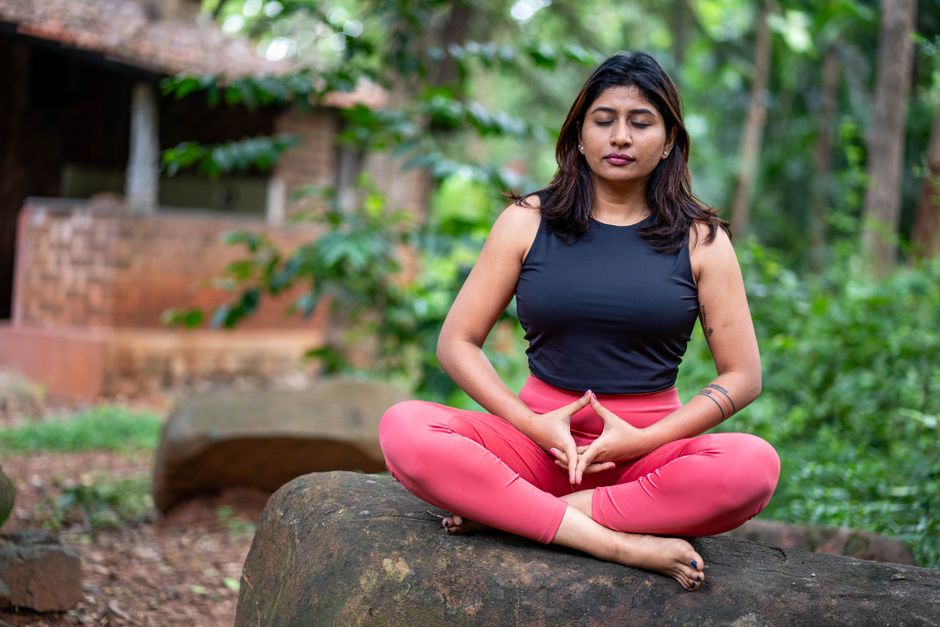
Meditation isn’t just for monks or Instagram influencers: new brain imaging studies show it can physically reshape areas of the brain linked to stress and attention. As more residents in Leeds sign up for mindfulness courses, experts say these findings could explain why so many people report feeling calmer and more focused after just a few weeks of daily meditation.
The timing couldn’t be more urgent. Leeds has seen a spike in mental health referrals—NHS data shows a 16% jump since 2023—while city centre gyms and community centres have expanded their mindfulness timetables. As summer brings record numbers to popular green spaces like Roundhay Park and Burley’s Woodhouse Moor, professionals are pointing to meditation as an approachable, evidence-based way to support mental wellness.
This interest is clearly visible across the city. At Yoga Kula on Stainbeck Lane in Chapel Allerton, mindfulness drop-ins are fully booked weeks in advance. Meanwhile, The Happy Mind Clinic on East Parade offers an eight-week mindfulness-based stress reduction (MBSR) course, drawing in university staff, healthcare workers, and parents from across Leeds. “Leeds has a history of valuing active wellness, but our clients want something for the mind, not just the body,” staff confirmed.
Leeds Beckett University has also launched research partnerships with local GPs, testing whether meditation apps can improve outcomes for people waiting for NHS talking therapies. Subscriptions for popular mindfulness apps such as Headspace and Calm have tripled among the city’s under-30 population since 2022, according to app usage reports provided by Leeds Digital Festival. The typical eight-week MBSR course in Leeds costs about £185–£220, a price some are willing to pay for reduced anxiety and better sleep.
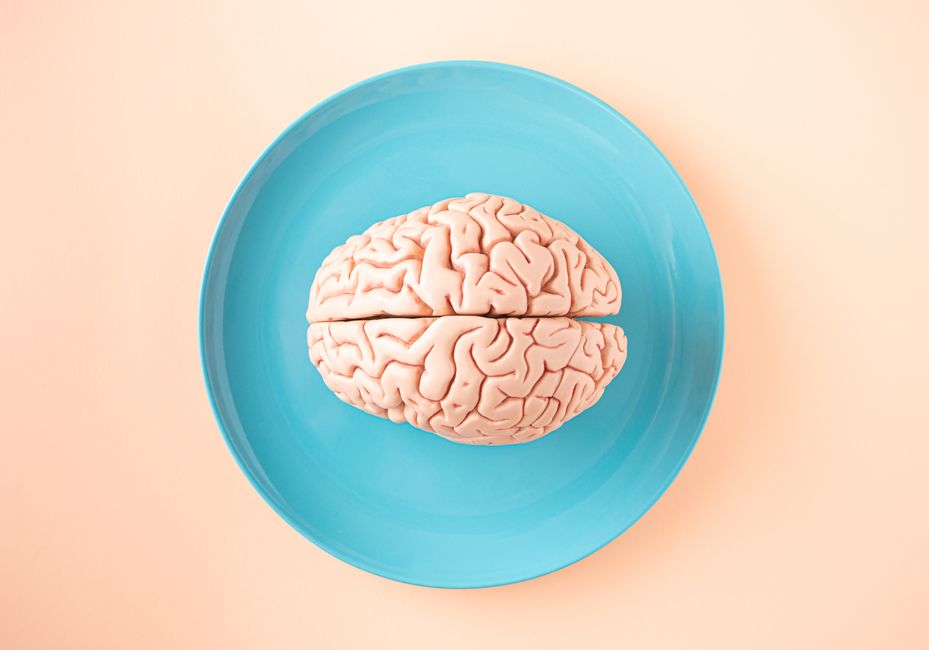
But does mindfulness live up to the hype? Recent analyses go beyond anecdotes. A 2024 meta-study published in "Neuroscience & Biobehavioral Reviews" examined fMRI scans of regular meditators, including participants from studies conducted at Leeds General Infirmary. The scans found that just ten minutes of mindfulness meditation per day, practised over two months, led to measurable increases in gray matter density in the prefrontal cortex—an area responsible for decision-making and self-regulation.
Other studies, including work funded by the Wellcome Trust with Leeds Teaching Hospitals NHS Trust, suggest that meditation improves connectivity between the amygdala (our emotional centre) and the dorsal attention network, which helps us concentrate. Practically, that means people who meditate are better equipped to handle stress spikes—such as end-of-term exams for students at Leeds Trinity University, or tight deadlines for workers in White Rose Office Park.
Mindful practice also seems to slow activity in the default mode network, the brain circuit linked to anxiety and rumination. Local clinics have noticed the impact: at Hyde Park’s MindWell Leeds, sign-ups for mindfulness-based cognitive therapy have doubled since last September.
Leeds residents interested in trying mindfulness can find pay-as-you-go classes at Chapel Allerton’s The Tree of Life Centre or join free lunchtime taster sessions on Briggate, run by the Mindfulness in Leeds Project. For home practice, the Leeds Libraries service offers free digital subscriptions to guided meditation tracks. Experts say five to ten minutes a day is enough to start reshaping thought patterns, with benefits often appearing within a month.
As more science emerges, one trend is clear: for Leeds, mindfulness is no longer a buzzword—but a proven path to a healthier brain. Those seeking tailored advice should consult with their GP, particularly before making changes related to mental health medication or therapies.
About this article
Published by The Daily Leeds
Spread the word
Daily brief
Free, in your inbox before 7am. Weekdays.
The Daily Network — local news across Australia