Business
Leeds Commercial Investment 2026: £2.3bn Explained
Leeds investment hits £2.3bn in H1 2026. What this business growth means for local property, jobs, and the city's economy.
4 min read
Updated 1 h ago
Business
Leeds investment hits £2.3bn in H1 2026. What this business growth means for local property, jobs, and the city's economy.
4 min read
Updated 1 h ago

Commercial investment into Leeds crossed £2.3 billion in the first six months of 2026, according to figures compiled by West Yorkshire Combined Authority and released this week — a 14 percent increase on the same period last year and the strongest H1 performance the city has recorded since 2019. The headline number is striking. What sits behind it matters more.
The timing is significant. European business confidence has been rattled by compounding pressures: a brutal heatwave that killed more than 2,000 people in France last month, ongoing geopolitical instability stretching from Kyiv to Tehran, and supply-chain anxiety that never fully unwound after the pandemic. Against that backdrop, mid-sized UK regional cities with diversified economies have attracted capital looking for stability over spectacle. Leeds is benefiting directly from that shift.
The largest single commitment in the period was a £340 million mixed-use development approved by Leeds City Council in May for the Aire Valley corridor, running south from Crown Point Retail Park toward Hunslet. The scheme, led by a joint venture between Caddick Developments and a Dutch pension fund, will deliver 1,400 residential units alongside 180,000 square feet of grade-A office space. Construction is scheduled to begin in Q1 2027, with the first residential completions targeted for late 2029.
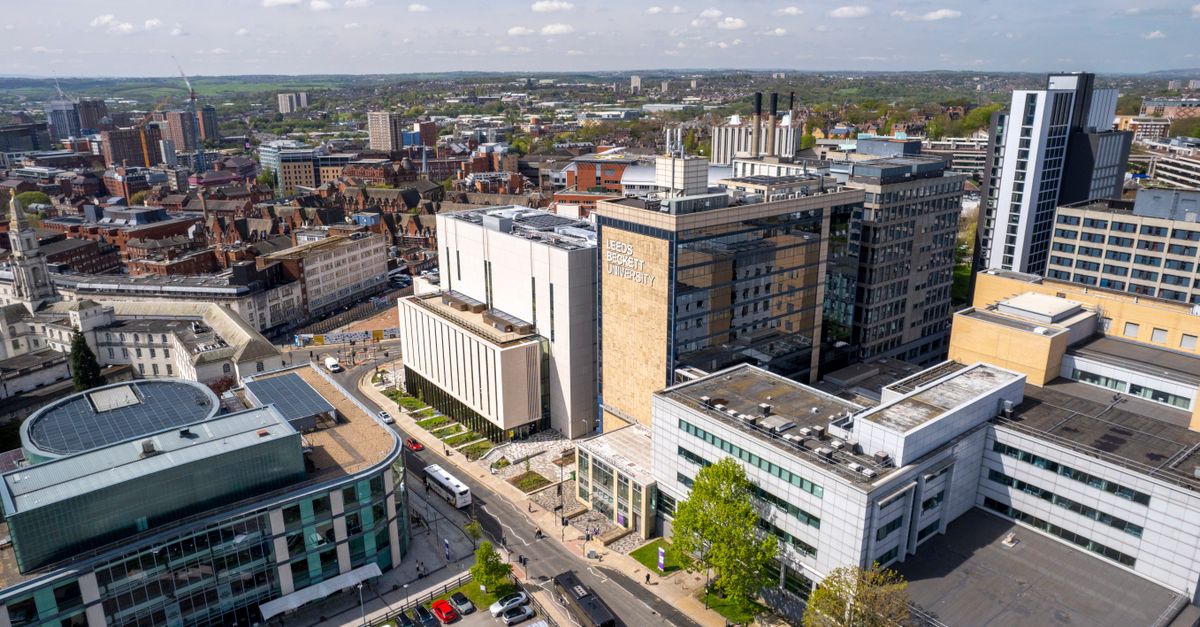
In the city centre, the South Bank regeneration zone — already home to the new Leeds Conservatoire building on Quarry Hill — continues to absorb smaller but steady flows of enterprise capital. Three tech firms relocated their UK headquarters to the Wellington Place development in the first quarter alone, collectively bringing around 620 jobs. Meanwhile, the Leeds Enterprise Partnership's Inclusive Growth Fund distributed £18.7 million to 47 small and medium businesses between January and June, with recipients concentrated in Chapeltown, Harehills and the Meanwood Road corridor — postcodes that historically see less trickle-down from city-centre booms.
The office market tells a nuanced story. Prime rents on Park Row now sit at £38.50 per square foot per year, up from £35 in mid-2024, driven by tight supply of properly fitted, energy-efficient space. Grade-B stock, however, is softening. Landlords with older buildings along Wellington Street and parts of the Headrow are offering rent-free periods of up to 18 months to secure tenants — a clear sign that the post-pandemic flight to quality is still reshaping what occupiers actually want.
Unemployment across the Leeds City Region stood at 4.2 percent in May, marginally above the national average of 3.9 percent, according to the Office for National Statistics. That gap has narrowed from nearly a full percentage point 18 months ago, largely because of growth in financial and professional services — KPMG, Squire Patton Boggs and a cluster of fintech companies around the Cloth Hall Street area have all expanded headcounts since January.
The picture is less rosy in logistics and retail distribution. The closure of a major fulfilment centre near Morley in April removed 380 jobs, and while most workers have since found employment, average wage levels for that cohort dropped by an estimated 12 percent. That compression in lower-skill wages, even as professional salaries tick upward, is the underlying tension policymakers at Merrion House will need to address if the investment boom is to translate into broadly shared prosperity.
For businesses watching the next six months, three things are worth tracking. First, the West Yorkshire mayoral office is expected to announce the recipient of a new £50 million inward investment incentive fund in September — early indications suggest advanced manufacturing and green energy firms are front-runners. Second, the next Bank of England rate decision in August will directly affect variable-rate commercial mortgages across the city. Third, planning decisions on two further South Bank parcels, currently before the council, will confirm whether the development pipeline can absorb the investor appetite that the first-half figures suggest is real and not merely speculative. Leeds has the momentum. The question for autumn is whether the infrastructure — transport, skills, affordable workspace — can keep pace with the capital flowing in.

Business
Business

Business
Business
About this article
Published by The Daily Leeds
Spread the word
Daily brief
Free, in your inbox before 7am. Weekdays.
The Daily Network — local news across Australia