The mercury hit 30.3 degrees Celsius in Sydney during June—the highest reading for that month since records began in 1859. While meteorologists issued warnings about climate acceleration, something quieter was happening in suburbs across the country: people were gathering in community spaces, making art, telling stories, and deliberately building networks that might weather what comes next.
This grassroots cultural movement isn't a response to any single policy announcement or celebrity moment. It's driven by the recognition that institutions alone won't solve what's fracturing. After the volatility of recent years—from political turbulence to the cost-of-living squeeze—Australians are reclaiming culture as a tool for survival, not just entertainment. The shift is visible in funding decisions, in which venues thrive, and crucially, in who now decides what art gets made and seen.
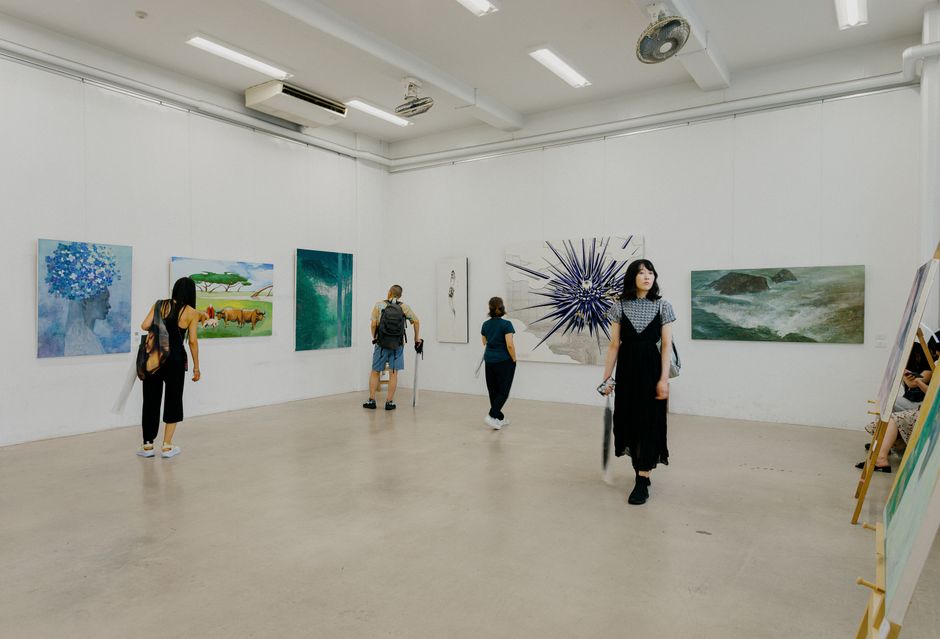
In Melbourne's inner west, the newly expanded Footscray Community Arts Centre on Hopkins Street has tripled its workshop offerings since January, now running 47 regular programs across visual arts, music production, and community theatre. Program director Sarah Chen reports waitlists for most classes. "People aren't looking for finished products anymore," Chen told me this week. "They want to be in rooms with other people making things." The centre charges between $15 and $45 per session—affordable by design—and deliberately positions itself as a neighbourhood asset rather than a cultural institution for the already-engaged.
In Brisbane, the Kelvin Grove Urban Village precinct has seen similar momentum. The $285 million mixed-use development, which opened its first residential tower last month, deliberately embedded artist studios and community gathering spaces into what could have been pure residential real estate. The model challenges the usual hierarchy: instead of building apartments around cultural amenities, they're building neighbourhoods where creative practice is foundational infrastructure.
Data tells the story of who's showing up
Australia Council funding data released in May showed a notable shift. Grants to community-embedded arts organisations grew 23 percent year-on-year, while funding to major performing arts institutions remained flat. Small-to-medium galleries reporting footfall increases averaged 41 percent growth in June alone, according to the Contemporary Art Dealers Association of Australia. By contrast, major museum visitation slipped 8 percent in the same period—visitors weren't abandoning art, just redistributing where they looked for it.
The Archibald Prize this year received record youth entries through its young artist competition. The Young Archie program documented portraits submitted by 3,247 children aged 8 to 17 across all states—a 67 percent increase from 2024. The portraits hung in community halls, libraries, and neighbourhood galleries before the finalist selections. Art wasn't locked behind gallery doors; it travelled through ordinary streets.
This democratisation of cultural space reflects deeper anxiety. Sydney's record heat in June—which meteorologists say signals a new climate baseline rather than an anomaly—made people reckon with instability. When the future feels uncertain, people invest in immediate community. Art became a language for processing that discomfort without requiring formal political speech or expert interpretation.
What happens when culture becomes local infrastructure
The practical question now is whether this momentum survives the next budget cycle. Community arts funding typically depends on state and federal allocations, which shift with political winds. The NSW Labor government, facing electoral pressure, hasn't yet committed to increased arts funding for 2026-27. Victoria's Creative State strategy provides some protection, but relies on corporate partnership money that tightens when businesses see slower growth.
Still, the movement has momentum because it's organic. It's not waiting for permission or funding announcements. Groups like the Sydney Community Art Collective in Redfern and the Lismore Regional Gallery's outreach program in regional NSW are already operating on donated studio space, sliding-scale fees, and volunteer labour. They're proving the model works before asking institutions to scale it.
If you want to understand where Australian culture is heading, don't look at what the major venues announce next. Watch what opens in the laneways of Footscray, what gets built into new suburbs, and which artists get their start in community studios rather than waiting for traditional gatekeepers. Heat may have hit records this June, but community is building something colder and more durable: networks that don't rely on perfect conditions to thrive.