culture
Summer Heatwaves and Soccer Fever: What's Happening Now in the City
From record-breaking temperatures to World Cup hopes, locals are talking about the issues that matter most
3 min read
Updated 1 h ago
culture
From record-breaking temperatures to World Cup hopes, locals are talking about the issues that matter most
3 min read
Updated 1 h ago
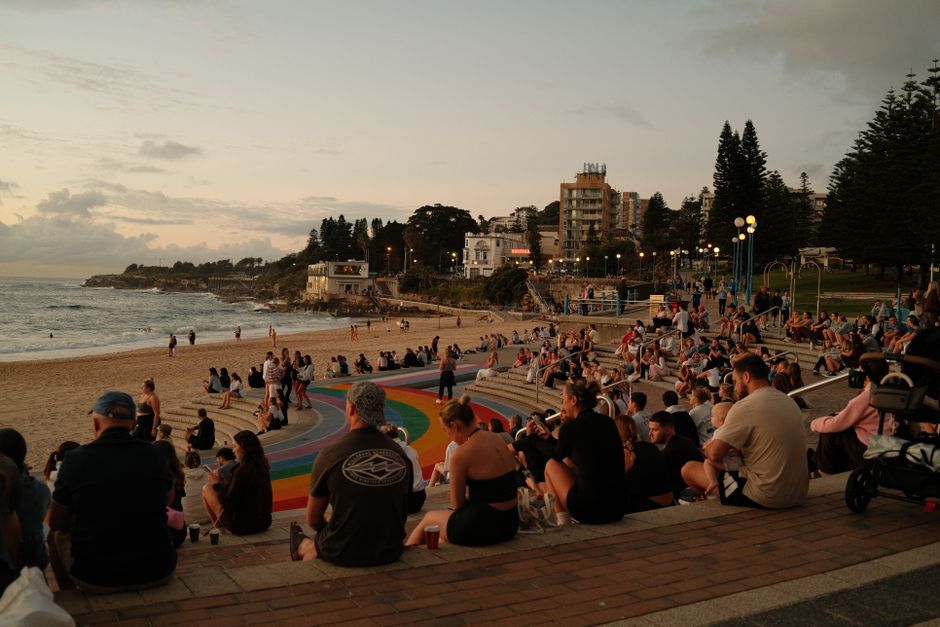
The city has just recorded its hottest June since 1859, with temperatures soaring to 34.6 degrees Celsius on June 28. This extreme weather event has sparked concerns about the impact of global warming on the city's infrastructure and residents.
The reason this matters now is that the city is still reeling from the effects of the previous summer's heatwave, which saw a significant increase in heat-related illnesses and deaths. With the World Cup underway, many locals are also focused on the Socceroos' chances of ending their knockout drought, but the heatwave has brought the issue of climate change back into sharp focus. The city's residents are calling for more to be done to address the issue, from increasing the number of green spaces to implementing more effective heatwave response plans.
In the inner-city suburbs of Paddington and Woollahra, residents are taking matters into their own hands, with local organisations such as the Paddington Community Garden and the Woollahra Council's Sustainability Program working to create more green spaces and reduce the urban heat island effect. Meanwhile, in the outer suburbs, the Blacktown City Council has launched a new initiative to provide free public transport on days when the temperature is expected to exceed 35 degrees Celsius. The council is also working with local businesses, such as the Blacktown Workers Club, to provide cool spaces for residents to escape the heat.
According to data from the Bureau of Meteorology, the city has experienced an average temperature increase of 1.4 degrees Celsius over the past decade, with the number of heatwave days increasing by 25% over the same period. The cost of heat-related illnesses to the healthcare system is also significant, with a recent report by the Australian Medical Association estimating that heatwaves cost the system around $10 million per year. With the World Cup expected to attract over 1 million spectators to the city's stadiums, including the Sydney Football Stadium, the pressure is on to ensure that the city's infrastructure can cope with the demand.
So what happens next? As the city continues to experience extreme weather events, residents are being advised to take precautions to stay safe, including staying hydrated, staying indoors during the hottest part of the day, and checking in on vulnerable neighbours. The city council is also urging residents to get involved in local initiatives to address climate change, such as the City of Sydney's Green Infrastructure Plan, which aims to increase the city's green spaces by 50% over the next 5 years. With the World Cup providing a welcome distraction from the heat, locals are hoping that the Socceroos can bring some much-needed joy to the city, but the issue of climate change is unlikely to go away anytime soon.
About this article
Published by The Daily Leeds
Spread the word
Daily brief
Free, in your inbox before 7am. Weekdays.
The Daily Network — local news across Australia