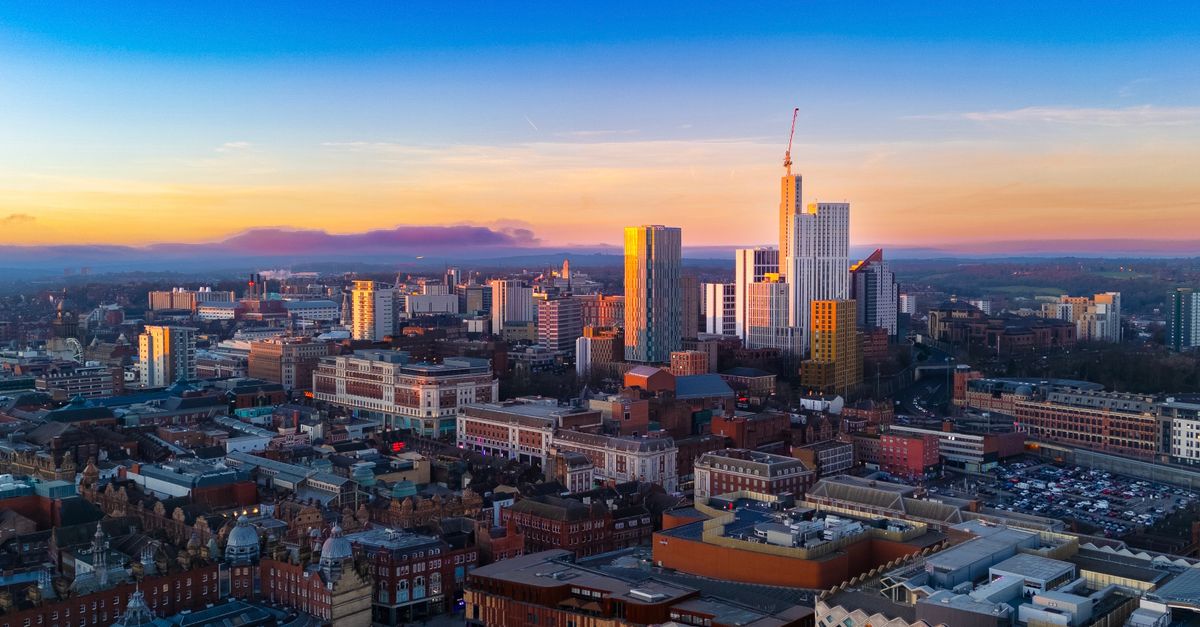
The regeneration of the Leeds Dock waterfront has fundamentally altered how people spend their leisure time in the city. Where industrial heritage once dominated, the 2026 season brings completed riverside pathways, open-air dining venues, and the newly opened Leeds Waterfront Museum—all pulling residents away from predictable shopping centre routines and toward the water's edge.
This shift matters now because it reflects a broader recalibration happening across major UK cities. With heatwaves affecting mainland Europe and extreme weather becoming routine, urban planners and residents alike are prioritizing outdoor spaces designed for flexibility: shade structures, water features, and mixed-use areas that work year-round. Leeds invested heavily in these features precisely because the city recognised it was losing younger professionals to London and Manchester. Between 2020 and 2024, city centre footfall dipped by 12 percent according to the Leeds City Council's annual economic report. The dock project was designed to reverse that.
Cultural Venues and Street-Level Charm
The real shift, though, isn't just about waterfront construction. Briggate—the pedestrianised thoroughfare that runs through the commercial heart—has become the launching pad for independent galleries and experimental performance spaces. The Briggate Collective, a cooperative workspace that opened in March 2025, now hosts weekly Thursday evening events blending live music, art installations, and street food traders. Three blocks south, on the corner of Vicar Lane, the conversion of a 1970s office block into The Arcade Leeds has delivered 40 independent retail units and a rooftop bar called Elysian that overlooks both the town hall and the emerging skyline toward the dock.
What locals praise most is the absence of corporate homogeneity. Unlike city centres that have become interchangeable collections of chains, Leeds has encouraged independent operators through a new business rate relief scheme introduced by the council in January 2026. The scheme reduces rates by 25 percent for independent retailers occupying space for under three years, bringing rent down from an average of £30 per square foot to roughly £22.50.
Numbers and the Real Picture
The data backs up what residents are experiencing. Visitor numbers to Leeds city centre rose 8 percent in the first quarter of 2026 compared to the same period last year, according to the West Yorkshire Combined Authority's quarterly report released in May. Critically, weekend visits extended beyond the Saturday shopping bracket—Friday evening footfall jumped 19 percent, suggesting people are treating the city as an evening and cultural destination, not just a retail stop.
The transformation isn't evenly distributed. Areas like Meanwood and Chapel Allerton have seen an influx of new independent coffee roasters and vintage markets, while neighborhoods closer to the university—Woodhouse and Headingley—have shifted toward student housing and shared dining spaces. But across all districts, locals consistently mention one thing: they're spending money locally instead of driving out of the city. The Leeds Business Improvement District survey from April 2026 found that 67 percent of respondents aged 25-40 spent their primary leisure budget within the city, up from 49 percent in 2023.
If you're planning a visit or rediscovering the city, start at the dock on a Thursday or Friday evening—the crowds are manageable and the light is best. Move inland toward Briggate for dinner and galleries. Book your Elysian rooftop reservation early; it fills by 7 p.m. most nights. Check the Briggate Collective's website for that week's programming. The momentum is real, and it's not a temporary spike. The council has committed £45 million over the next three years to complete the secondary cultural quarter around Quarry Hill, which will add theatre and design institutions by 2028. Locals aren't waiting for that completion. They're already here.
This article was compiled by AI and screened before publishing. See our editorial standards.